AI Chatbot Multilingual Support: Why This Matters More Than Businesses Realise
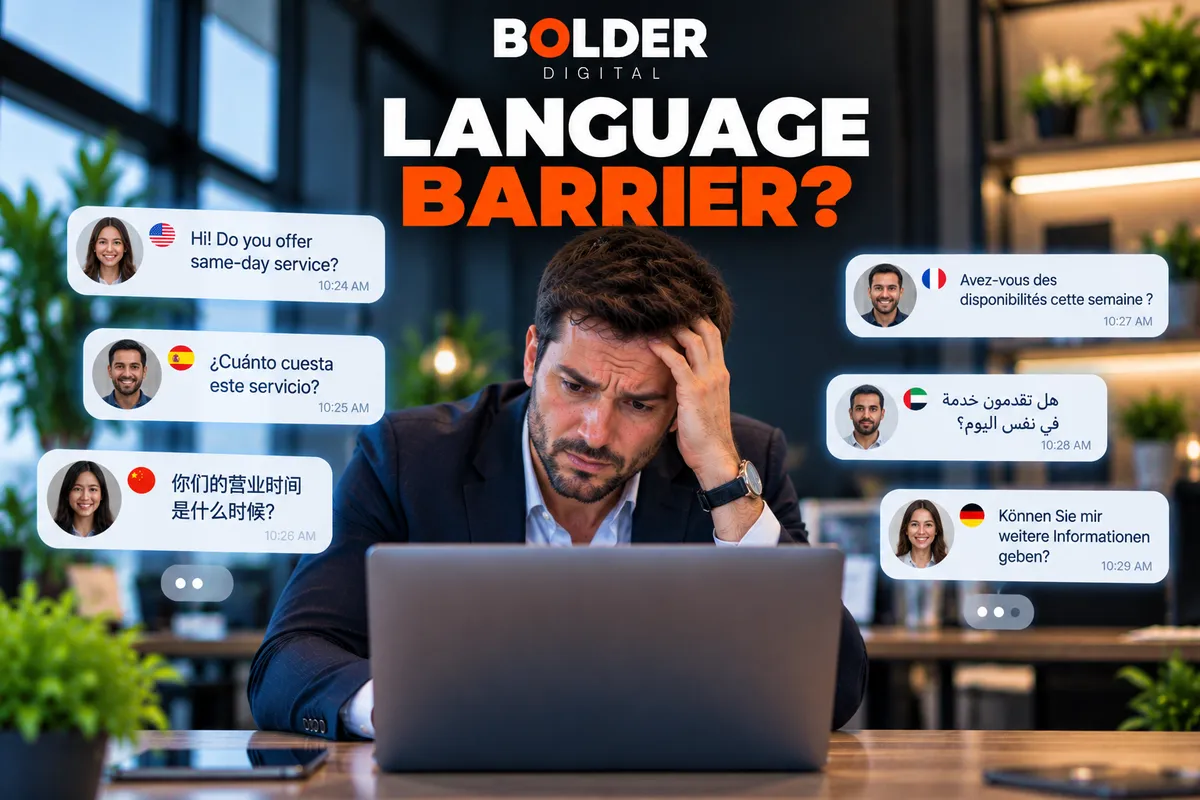
"Pretty much everyone here speaks English fine" is the assumption I hear most often when multilingual support comes up, and it genuinely misses two distinct groups of people, one that most businesses never even notice they are losing, and a second, larger group most business owners have never actually thought about at all.
Let me walk you through why this matters more than it first appears.
The Numbers: Australia's Genuine, Growing Linguistic Diversity
Roughly one in five Australians speaks a language other than English at home, and this figure has climbed consistently across every census in recent decades, from around twenty one percent in 2006 up to over twenty two percent by 2021. Mandarin, Arabic, Vietnamese, Cantonese, and Punjabi consistently rank among the most common languages spoken alongside English. This is not a small, shrinking niche. It is a genuine, growing share of the population, and it is considerably larger than most business owners intuitively assume.
The Silent Group: People Who Simply Never Attempt to Engage at All
A genuine, if smaller, share of the population reports speaking English not well or not at all. For this group, a business offering support only in English is not a minor inconvenience. It is a genuine barrier to engaging with that business at all. And this is exactly why most businesses never notice this specific loss. Someone who cannot communicate with your chatbot does not complain about it. They simply do not attempt to engage in the first place, leaving you with no visible record that this interest ever existed.
The Overlooked Group: Fluent, But Still Preferring Their Own Language for Something This Important
Here is the part I think most businesses genuinely never consider. A meaningful share of multilingual Australians are entirely fluent in English for everyday and professional purposes, and still genuinely prefer engaging in their first language for something specific and significant, a considered purchase, a detailed service enquiry, anything where getting every nuance right actually matters. Research into newcomers to Australia specifically found many actively seek out information about a brand's reputation before committing, precisely because they cannot always access the familiar brands they knew before moving here, and getting this decision right in a language they are genuinely most comfortable with matters more than businesses typically assume.
Why This Isn't the Same as Just Translating Your Website
A static, translated page is genuinely different to an active, real time conversation someone can actually have in their preferred language. Translating your website content is a reasonable first step, but it does not let someone ask a specific question, get a specific answer, and genuinely work through a decision the way a live conversation does. A chatbot capable of holding that actual conversation, not just displaying pre-translated text, closes a considerably larger gap than translation alone ever could.
What This Actually Looks Like Done Properly
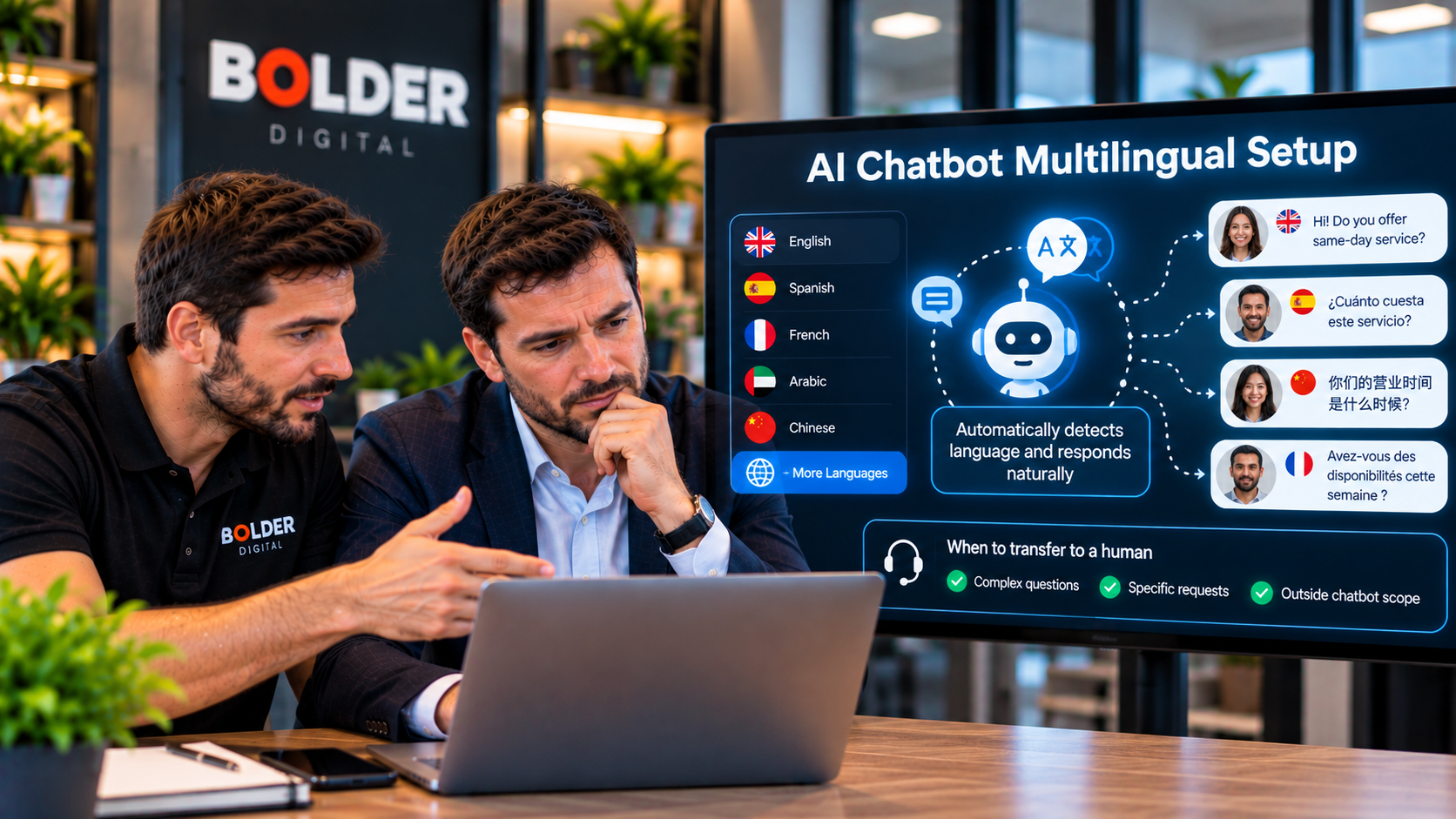
A genuinely useful multilingual chatbot detects or asks a visitor's preferred language early, holds the entire conversation naturally in that language rather than switching back to English partway through, and still draws from the exact same accurate, current business information regardless of which language the conversation happens in. This is not about offering ten different languages superficially. It is about identifying which one or two languages are genuinely relevant to your specific customer base, informed by real data about who is actually searching for and engaging with your business, and doing those properly rather than spreading effort thin across languages that were never genuinely needed.
Getting This Set Up Properly
Working out which languages genuinely matter for your specific business, and building a chatbot that holds a real, accurate conversation in each of them, takes real, deliberate setup rather than a generic translation layer bolted on afterward. This is exactly what our AI Chatbot service is built around, identifying the languages that genuinely matter for your actual customer base and building around them properly.
The Bottom Line
Multilingual support matters more than most businesses realise precisely because the cost of skipping it is invisible. Nobody complains about a language barrier they never got past in the first place, and a meaningful share of genuinely fluent English speakers still prefer engaging in their first language for anything significant enough to matter. Australia's linguistic diversity is real, growing, and considerably larger than the assumption that everyone here communicates comfortably in English alone.

Frequently Asked Questions
How many Australians actually speak a language other than English at home?
Roughly one in five, and this figure has climbed consistently across recent census data. Mandarin, Arabic, Vietnamese, Cantonese, and Punjabi consistently rank among the most common languages spoken alongside English nationally.
Do fluent English speakers actually need multilingual support?
Many genuinely benefit from it for specific, significant interactions, even when they are entirely comfortable with English day to day. Research into multicultural consumers found many actively seek out detailed information to help with an important purchase decision, and doing this in a genuinely preferred language matters more than businesses typically assume.
Why don't businesses notice when they lose customers due to a language barrier?
This loss is largely invisible. Someone who cannot communicate with your chatbot in their preferred language does not typically complain. They simply do not attempt to engage at all, leaving no visible record that this interest ever existed in the first place.
Is translating a website the same as offering multilingual chatbot support?
No, and the difference matters. A translated page displays static, pre-written content, while a genuinely multilingual chatbot holds an active, real time conversation, letting someone ask a specific question and get a specific answer in their preferred language, which closes a considerably larger gap than translation alone.