
Digital Marketing for Fitness Businesses: Membership Growth That Lasts
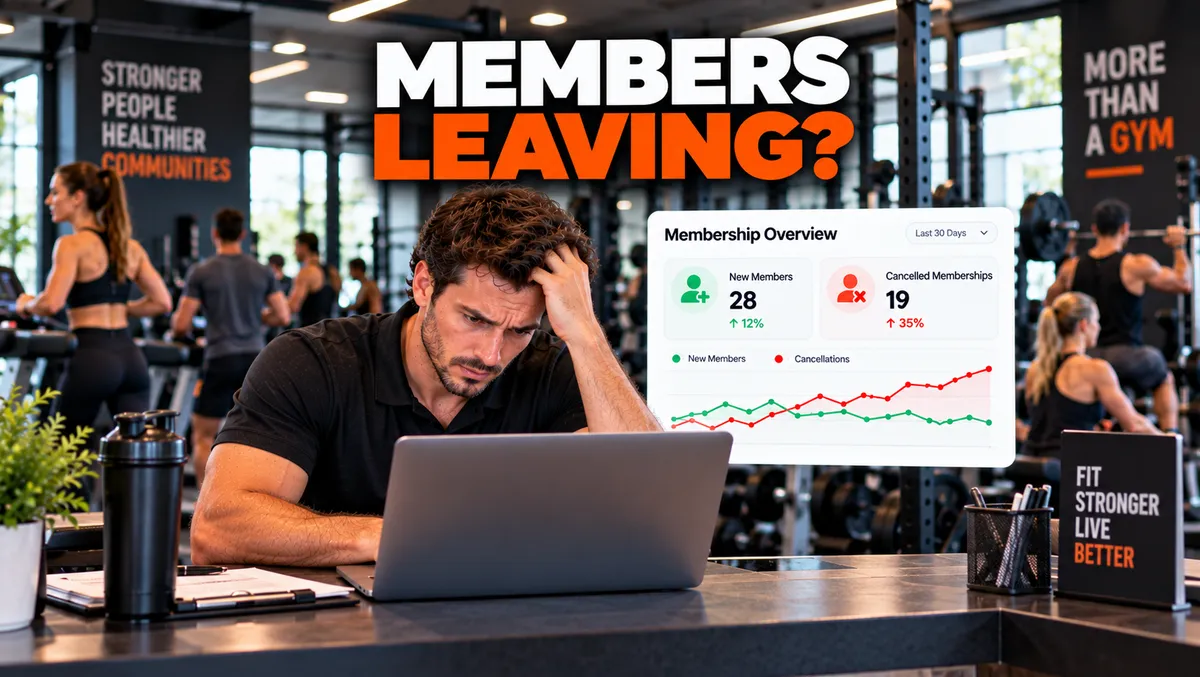
Most gyms and studios do not have a lead problem. They have a leaky bucket. New members come in through the front door, and a large share drift out the back within a few months. At Bolder Digital, when we look at digital marketing for fitness businesses, we start with a question most owners skip: are we attracting the people who will still be here in a year?
The Number That Reframes Everything
The Health & Fitness Association's 2025 benchmarking report, covering more than 17,000 facilities, put average annual member retention at about 66 percent. A widely repeated industry figure says roughly half of new members quit within six months, and most of the drop happens in the first 90 days. These are overseas benchmarks, so your own numbers will differ.
The point holds either way. If a third of your members leave each year, you spend much of your marketing budget just standing still. Growth that lasts means attracting people who stay, then keeping them.
Decide Who You Want Before You Advertise
A heavily discounted joining offer will fill the gym in January. It will also attract bargain hunters who cancel in two months. Some channels bring in long tenure members, even at a higher cost per sign up, while others bring in people who leave quickly.
A boutique studio, a strength gym, a family friendly centre, and a women's only space each attract different people. The studios that grow steadily decide who they are for and say so plainly in their profile, their website, and their posts. That clarity does more than any discount to attract members who feel they belong.

Your Google Business Profile Is Your Busiest Front Door
When someone searches for a gym or a class near them, they see a handful of local results with photos, ratings, and opening hours. That list decides who gets a visit. For most fitness businesses, the Google Business Profile is the single most valuable free marketing asset.
Fitness businesses should make sure their profile has:
accurate hours, including public holidays
real photos of your space, your classes, and your coaches, updated often
your class timetable and a booking link
the right categories, such as gym, yoga studio, or personal trainer
consistent name, address, and phone details everywhere
Vendor analyses suggest the top local results in competitive overseas markets carry many times the reviews of those lower down. Your real benchmark is closer to home: count the reviews on the top three gyms in your suburb and set a target to match them.
Ask for Reviews at the Right Moment
A review from a member who has just finished their tenth class is worth more than one from someone who has just walked in. Ask after a milestone, like completing a challenge, finishing a first month, or hitting a personal goal. Make it easy with a direct link, and reply to every review, including the critical ones.
One caution: Google's policies restrict offering rewards in return for reviews, so ask warmly without bribing. And never fake or script them. Prospective members read reviews closely before booking a visit.
Community Is a Marketing Asset
Fitness is social. Studies commonly cited in the industry suggest members who take group classes are far less likely to cancel than those who only use equipment, including a UK study of around 10,000 members. Many operators and vendors also report that referred members tend to stay longer than those won through paid advertising.
That makes community and referrals the most durable marketing a fitness business can do:
Recognise members publicly, with their consent, for milestones.
Run a simple referral program, such as a free month for both sides, with clear terms.
Host events that give people a reason to know each other, like a challenge, a social run, or a beginner night.
Partner with nearby businesses, such as physiotherapists, cafes, and workplaces.
None of this needs a big budget. It needs consistency.
Marketing Does Not Stop at Sign Up
The first 90 days decide whether a new member stays. Marketing that stops at the sale hands a fragile customer to a front desk that is too busy to look after them. Email or text a welcome series that introduces the coaches, explains the classes, suggests a first week plan, and checks in when attendance dips. That is marketing too, and it protects the money you spent winning the member. I covered the automation behind this in our GoHighLevel gym post.
Measure What Lasts, Not Just What Arrives
Leads and sign ups are easy to count and easy to misread. A more useful set of numbers looks like this:
cost per trial
trial to member conversion
retention at 30 and 90 days
average member lifetime value
Lifetime value is roughly average monthly dues divided by monthly churn. As an illustration, at eighty dollars a month and five percent monthly churn, a member is worth about sixteen hundred dollars. Cut churn to three percent and the same member is worth around twenty seven hundred. That gap is the argument for retention marketing. A common rule of thumb is to keep the cost of winning a member to about a third of their lifetime value.
Advertise Honestly
Fitness marketing attracts misleading claims, and the Australian Consumer Law applies to them. Be careful with promised results, before and after images, introductory prices that change later, and any claim you cannot back up. If your studio offers services by registered health practitioners such as physiotherapists, AHPRA's advertising rules apply to those services as well. Honest marketing builds the trust that keeps people paying.
How Bolder Digital Approaches Fitness Marketing
At Bolder Digital, we build growth that holds. We start by clarifying who your best members are, then optimise your Google Business Profile, set up a review process that asks at the right moments, and build the simple local content and referral loops that bring in members who stay. We then track trials, conversion, and retention so you can see what is working.
You can see how this fits into our Google Business Profile optimisation and review management services, built to put your studio in front of the right people and keep them talking about it.
The Bottom Line
Digital marketing for fitness businesses works best when it is aimed at keeping people, not just getting them through the door. Know who you want, be easy to find, collect reviews at the right moments, build community and referrals, look after members in their first 90 days, and measure lifetime value. Do those consistently and growth stops depending on January.

Frequently Asked Questions
What is the most important free marketing asset for a gym or studio?
Usually the Google Business Profile. It shows your photos, reviews, hours, and booking link when someone searches nearby, and it is often where a prospective member decides whether to visit.
Why do so many new gym members cancel?
Industry benchmarks suggest around half of new members leave within six months, with most of the drop in the first 90 days. Poor onboarding, low attendance, and a lack of connection are common reasons.
Are referrals better than paid advertising for a fitness business?
Operators and vendors commonly report that referred members stay longer and cost less to win, though results vary. Referrals work best alongside local search and reviews, not instead of them.
How should a gym measure whether its marketing is working?
Track cost per trial, trial to member conversion, 30 and 90 day retention, and member lifetime value, not just lead volume. These show whether you are attracting members who stay.
What should fitness businesses avoid in their advertising?
Unsupported result claims, misleading before and after images, and introductory prices that change without clear disclosure. The Australian Consumer Law applies, and AHPRA advertising rules apply to services by registered health practitioners.
Jarryd Holmes, Founder & Owner, Bolder Digital | Prospect Vale, Tasmania |bolderdigital.com.au