Voice AI for Medical Practices: Booking, Triage Boundaries, and What Stays Human
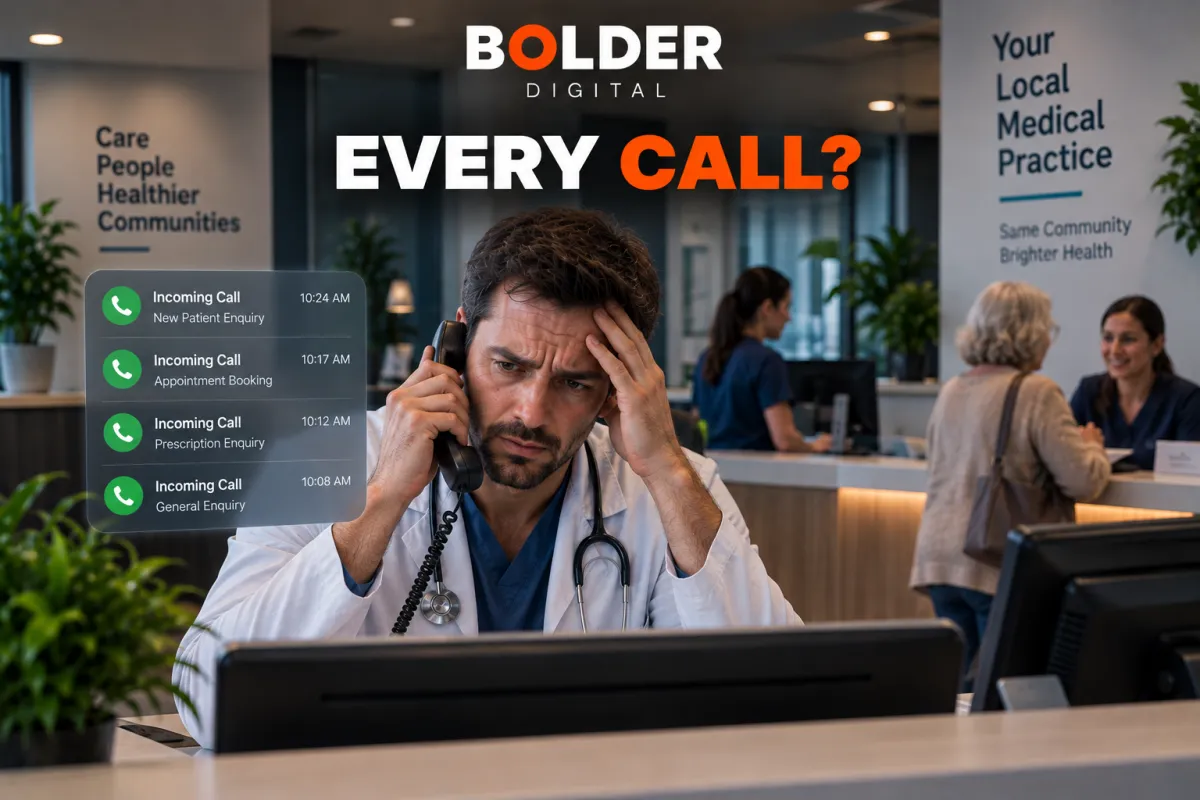
Medical practices genuinely need better phone coverage more than almost any other industry I work with. Reception teams are stretched thin, hold times frustrate patients, and after hours calls go entirely unanswered. Voice AI can genuinely help with this. It can also genuinely go wrong if the boundary between what it is allowed to handle and what must stay human is not drawn clearly, deliberately, and without exception.
Let me walk you through exactly where that line sits, and why it is not really a technology decision so much as a safety one.
What Voice AI Can Safely and Appropriately Handle
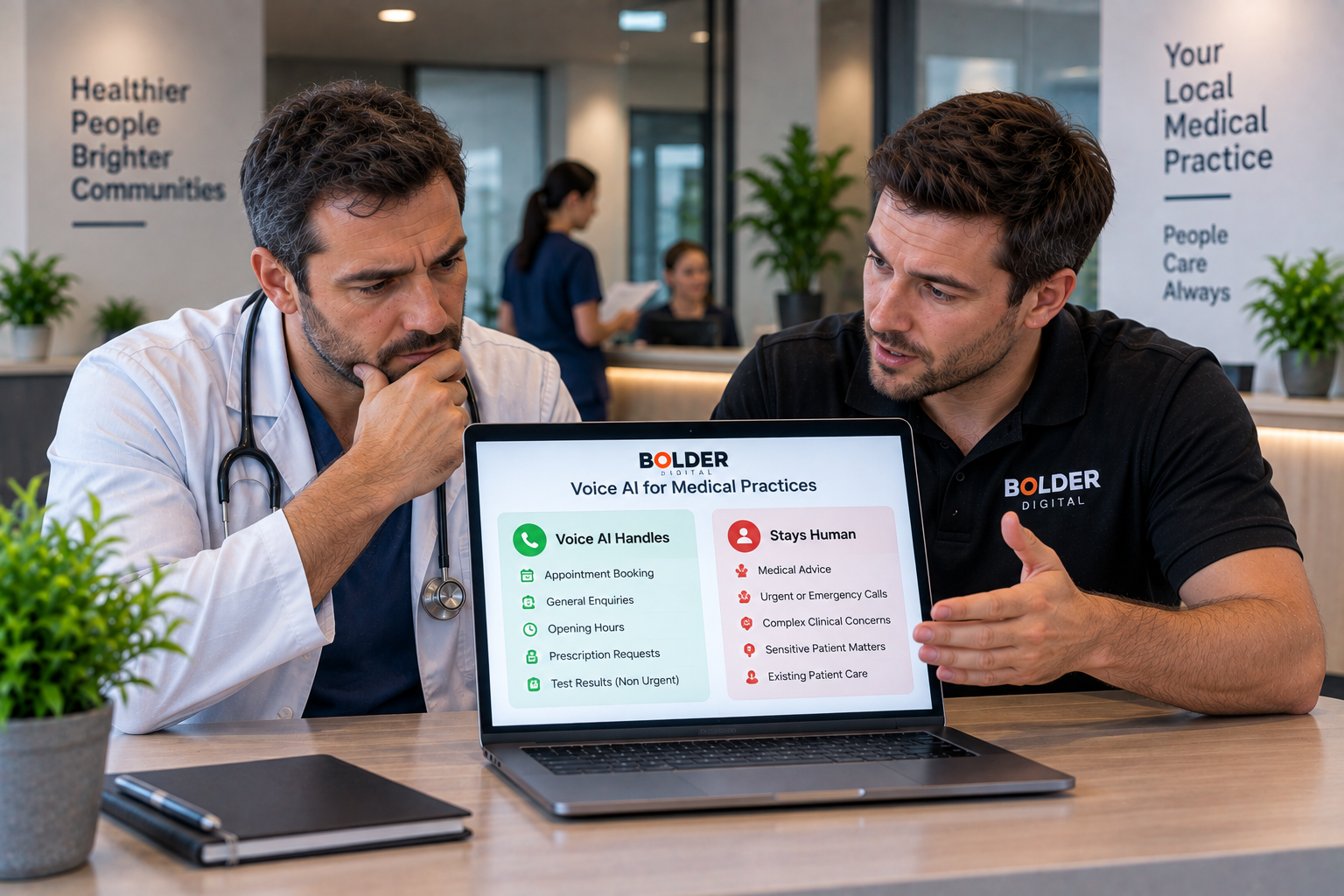
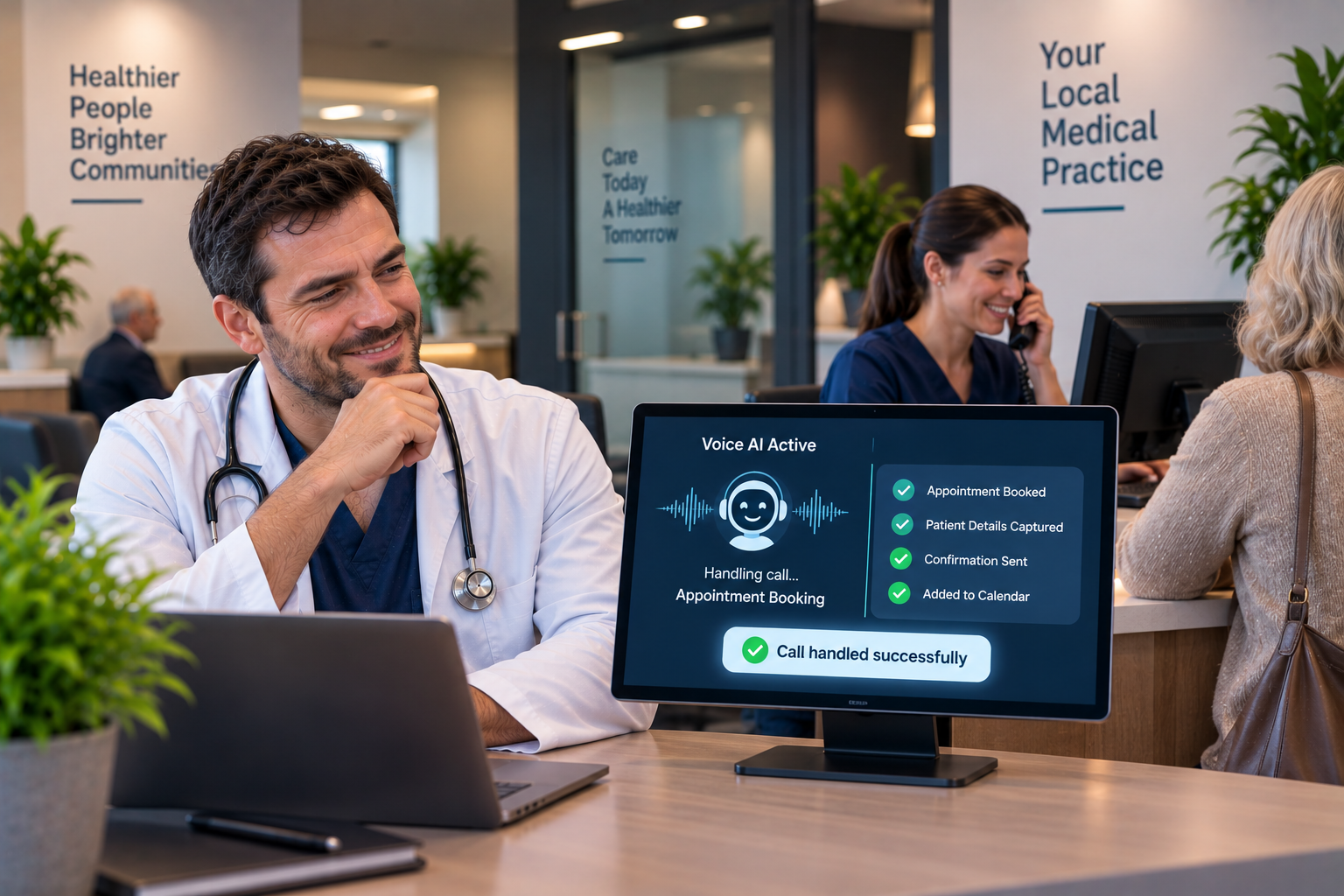
A properly configured voice agent handles the genuinely administrative side of a medical practice well. Booking, rescheduling, and confirming appointments directly into your actual practice management system, whether that is Best Practice, Medical Director, Cliniko, Halaxy, or Genie. Taking a repeat prescription request and routing it to the right process, without assessing whether that request is clinically appropriate. Answering genuinely non-clinical questions, opening hours, billing and Medicare basics, whether a referral is needed. Running recall outreach to patients overdue for a check up. All of this is genuine, valuable administrative work that has nothing to do with clinical judgement.
The Line That Never Moves: Triage Stays Human
Here is the principle worth stating plainly and without any softening. A voice agent should never assess symptom severity, offer any form of clinical reassurance, or make any judgement call about how urgent a patient's situation actually is. This is not a feature limitation waiting to be improved. Triage is a regulated clinical activity, belonging specifically to qualified clinical staff under their own professional registration, and no amount of AI sophistication changes that. The moment a caller mentions any symptom, any pain, or any health concern at all, the correct response is immediate escalation to a person, not an attempt by the system to figure out how serious it sounds first.
What Escalation Actually Looks Like
A properly built system is designed around specific, clear triggers, chest pain, a mental health crisis, any mention of urgent or worsening symptoms, immediately transferring the call to an on-call clinician or directing the patient to emergency services, rather than continuing the conversation itself. This escalation needs to happen the instant a relevant concern is raised, not after several more exchanges trying to gather more detail first. The agent's job in this moment is recognising that a human is needed, not attempting any assessment of its own before handing over.
Why Mental Health Calls Need Even Stricter Protocol
Practices specifically dealing with mental health and psychology need particularly rigorous protocols here. A distressed or genuinely at risk caller needs to reach a real person immediately, and the system needs to be configured with zero tolerance for continuing an automated conversation once any indication of genuine distress appears, regardless of how the call technically started.
What Data Should and Shouldn't Be Handled by the System
A properly built medical voice agent handles communication and scheduling data only, the information genuinely needed to book an appointment or send a reminder, and should not be storing or processing genuine clinical data within the AI system itself. Recordings and transcripts should be stored and processed within Australia, consistent with the obligations your practice already carries under the Privacy Act and the Australian Privacy Principles for any patient information it holds.
Getting This Set Up Properly
Building this properly for a medical practice specifically means mapping your actual booking rules, your specific escalation triggers, and your genuine practice management system integration, with the triage boundary treated as non-negotiable from the very first configuration decision, not an afterthought added once something has already gone wrong. This is exactly what our AI Receptionist service is built around for medical practices specifically, and this is general guidance on the design principle rather than a substitute for your own practice confirming its specific compliance obligations directly.
The Bottom Line
Voice AI can genuinely solve the phone coverage problem most medical practices are struggling with, handling booking, prescription requests, and general enquiries reliably around the clock. What it must never do is attempt any form of clinical triage, and the practices getting this right treat that boundary as an absolute, built into the system's design from day one, not a feature to eventually consider once the basics are working. Getting the administrative side right frees up your clinical team. Getting the triage boundary wrong risks something considerably more serious than a missed booking.
Frequently Asked Questions
Can a voice AI agent assess how urgent a patient's symptoms are?
No, and it should never be configured to attempt this. Triage is a regulated clinical activity belonging to qualified clinical staff. A properly built agent recognises the moment any symptom or health concern is mentioned and immediately transfers the call to a person, rather than attempting any assessment of its own.
What can a voice AI agent safely handle for a medical practice?
Genuinely administrative tasks work well, appointment booking and rescheduling directly into your practice management system, repeat prescription request logistics, general non-clinical enquiries like hours and billing, and recall outreach to overdue patients, none of which involve clinical judgement.
What should trigger an immediate handoff to a person?
Any mention of symptoms, pain, or a health concern of any kind, with specific triggers like chest pain or indications of a mental health crisis requiring the most immediate, zero-delay escalation to a clinician or emergency services.
Does a medical voice agent store clinical patient data?
A properly built system should handle communication and scheduling data only, the information genuinely needed to book an appointment or send a reminder, rather than storing genuine clinical data, with all data handling consistent with the Australian Privacy Principles.