AI Chatbot for Dental Practices: New Patient Enquiries and Emergency Triage
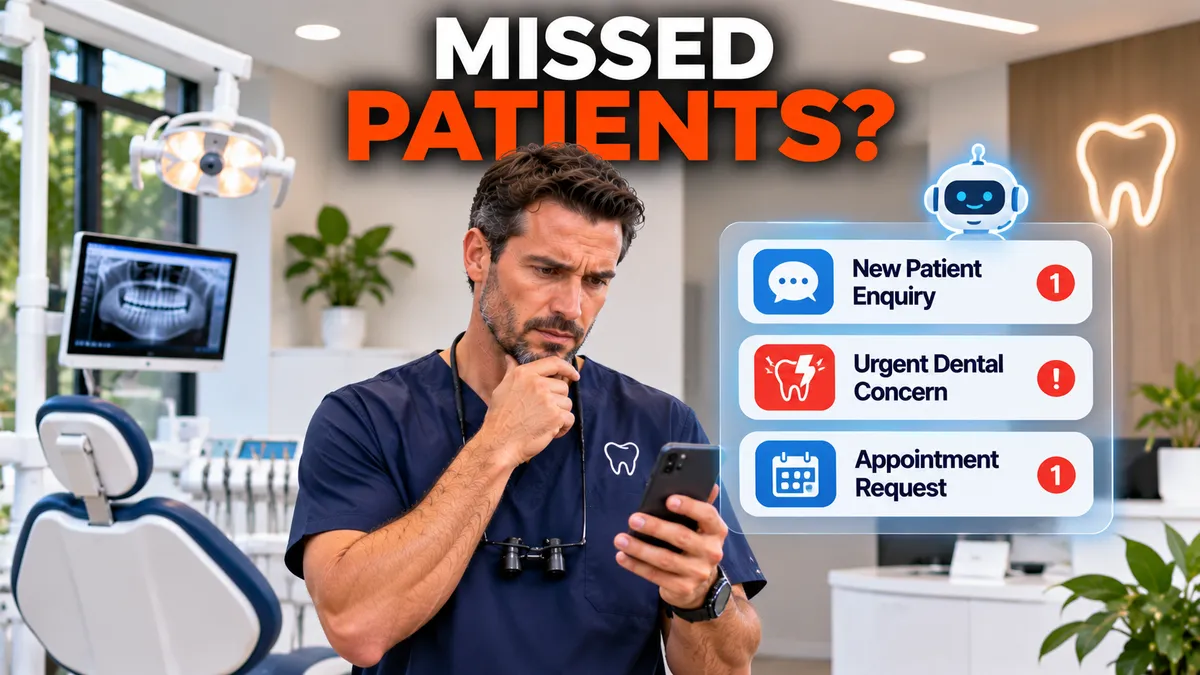
A dental practice has two very different kinds of visitor on its website. One is a calm person looking for a new dentist, comparing prices, and wondering whether you are taking new patients. The other is in pain, or has just knocked out a tooth, and needs to know what to do in the next few minutes. A chatbot can help both, but it has to treat them completely differently. At Bolder Digital, our rule for dental chatbots is simple. Be quick and helpful for the first group, and for the second, be clear and careful, and know exactly when to stop talking.
Keep the Chatbot on the Administrative Layer
The safest and most useful approach is to automate the administrative side of reception, and leave clinical judgement to your dentists. Guides for clinic chatbots make the same point. The routine layer, such as hours, location, parking, accessibility, prices, which health funds you accept, whether you are taking new patients, and booking requests, makes up most of the questions and carries little clinical risk.
So the chatbot can answer questions such as:
Are you accepting new patients?
What are your opening hours, and where do I park?
How much is a check up and clean?
Do you accept my health fund?
Can I book an appointment for my child?
It should not answer questions such as “Do I need a filling?”, “Is this infected?”, or “Should I take antibiotics?” Those need a dentist.
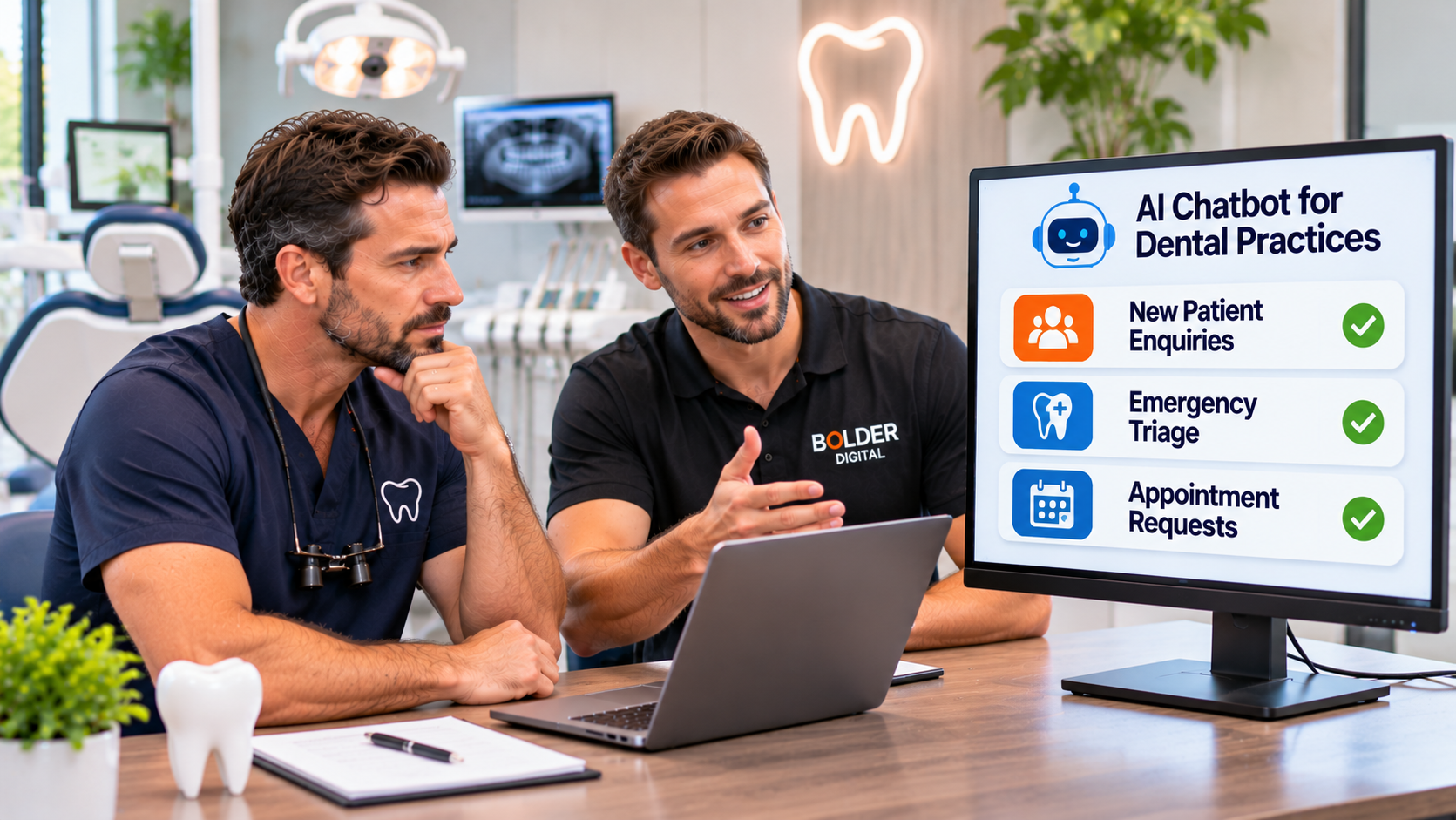
The New Patient Conversation
New patient enquiries are the chatbot’s best opportunity. People often search at night, compare several practices, and contact the one that replies first. A good flow is short and friendly:
New or existing patient?
What do they need?A check up and clean, a specific concern, a child’s visit, cosmetic work, or something else, in a few words.
Preferred days and times,and whether they prefer a particular dentist.
Health fund,by name only, to help the team prepare.
Contact details,with a mobile number and permission to follow up.
Real appointment timesfrom your diary, if your system supports it, or a confirmed callback.
Then the chatbot sends a text confirming the time and the next step, with a secure link to your forms.
What Not to Collect in the Chat
Health information is sensitive, so collect as little as you can. Advice for clinic chatbots is to avoid asking for insurance numbers, government health numbers, or dates of birth in the chat. Naming the insurer is enough to route the enquiry.
Keep medical history, medications, and symptoms for your secure forms, or for the appointment. If a patient starts describing detailed symptoms in the chat, the chatbot should gently stop and offer to put them in touch with the team.
Funding and Prices
Cost is one of the first questions. The chatbot can share:
your fee guide for common items such as check ups and cleans, where you publish one
which health funds you process on the spot, and whether you offer gap arrangements
whether you see children under government dental benefit schemes, which have eligibility rules that change over time, so point people to your practice and Services Australia and do not have the chatbot decide
how treatment costs are explained at the appointment, since the real cost of treatment depends on what the dentist finds
It should not quote treatment costs without an examination, promise a rebate, or suggest what a fund will cover.
Emergency Triage: Stop, Show, and Hand Over
This is the most important design choice in the whole chatbot. When someone describes an emergency, the chatbot should not keep chatting, asking follow up questions, or trying to reassure. It should show fixed, clinician approved emergency instructions and stop. Guides for clinic chatbots say exactly this about anything urgent.
A sensible structure has three levels.
Level 1: Call 000 or go to hospital.Based on dental and health guidance, red flags that belong here include:
difficulty breathing, swallowing, or speaking
swelling that is spreading to the eye, face, or neck
bleeding that will not stop with firm pressure
a serious head or jaw injury
fever together with fast spreading swelling
The wording should be direct, such as “These can be medical emergencies. Please call 000 or go to your nearest hospital emergency department now.”
Level 2: Urgent dental care, today.Examples include:
a knocked out adult tooth, which is time critical
a broken or displaced tooth after an injury
severe pain that is not settling
swelling in the gum or face without breathing or swallowing problems
Here, the chatbot shows your emergency pathway, such as ringing the practice, your after hours number, or the on call dentist, and offers to alert the team.
Level 3: Soon, but not urgent.A lost filling or crown, a chipped tooth with no pain, or sensitivity. The chatbot books the first available appointment, with the advice to call if things get worse.
First Aid Wording, Written by Your Dentists
Some situations need immediate first aid information, and the safest way to give it is with wording your dentists have approved. For a knocked out adult tooth, standard guidance includes:
hold the tooth by the crown, not the root
do not scrub it
keep it moist in milk or saliva, not water, and do not wrap it in tissue
see a dentist immediately, ideally within about 30 minutes
never put a knocked out baby tooth back in
The specifics, including how to describe replanting, should be written by your practice. The chatbot should show them as fixed text, not generate them fresh each time.
Be Honest About Your After Hours Arrangements
The chatbot should only describe what you really offer. Be clear in advance about:
whether you have an emergency number or on call dentist, and when it operates
whether you keep same day appointments free for emergencies
what you tell patients when you cannot see them, such as attending a hospital emergency department
how patients should reach you on public holidays, which vary across Tasmania
An honest “we cannot see you tonight, here is what to do” beats a vague promise.
Nervous Patients
Many people avoid the dentist because they are anxious. The chatbot’s tone matters. It should be calm and kind, and should tell anxious visitors what your practice offers, if you have approved wording about gentle care or longer appointments. Do not claim things you cannot deliver, such as “pain free”, since advertising rules apply.
Advertising Rules Still Apply
The chatbot is part of how you present the practice, so AHPRA’s advertising rules for regulated health services apply to what it says. In general:
no testimonials about clinical care, so it should not quote patient stories about treatment results
no promises of outcomes or unreasonable expectations of treatment
no discounts or free offers without clear terms and conditions
accurate, evidence backed claims about services and qualifications
Put differently, the chatbot can say what you do, who does it, and how to book. It should not say that patients love your results.
Privacy
Dental chats can contain health information. A few steps help:
tell people at the start that they are speaking with an AI assistant, and ask them not to share sensitive details
link to your privacy policy
limit who can see transcripts, and set a retention period
check where the chatbot provider processes and stores data
keep payments on secure links, never card numbers in the chat
Our guides on chatbot security and healthcare chatbots cover these points in more detail.
Booking, Reminders, and Recall
Beyond enquiries, the chatbot can help with the practical side of running a diary:
offer real appointment times and confirm them by text
send reminders with an easy way to confirm or change
offer short notice slots to a waiting list when someone cancels
remind patients when they are due for a check up
Keep the messages short and free of treatment details.
Know When to Hand Over
Pass these to a person, with a summary:
anyone with symptoms they want to talk about
complaints and billing queries
children who have had an injury
people who say they are anxious, in pain, or unsure
anyone asking for a human
Test the Hard Cases
Before launch, try the situations that matter:
a caller describing swelling and difficulty swallowing
a parent whose child has knocked out a baby tooth
an adult with a tooth knocked out at ten at night
someone asking whether they need antibiotics
a patient asking for a discount, or what other patients thought of a treatment
an anxious patient who wants to talk to a person
Have your dentists review every transcript from the test, and adjust the wording until it is exactly right.
Measure What Matters
new patient enquiries answered, including after hours
enquiries that became booked appointments
time from enquiry to first reply
emergency flows triggered, and how each was handled
conversations handed to staff, and why
How Bolder Digital Approaches This
At Bolder Digital, we start by writing down what your practice wants the chatbot to do and what it must never do. We load your approved information, put your dentists in charge of the emergency wording, connect the booking flow to your diary, and test the awkward cases before launch. You can see how this fits into ourAI Chatbot service.
The Bottom Line
A dental chatbot can turn late night enquiries into booked new patients, answer the routine questions, and take pressure off your front desk. It should be firm about its limits. Stay on the administrative side, collect as little health information as possible, follow AHPRA advertising rules, and treat emergencies with fixed, dentist approved wording that shows instructions and stops. Get that right, and the chatbot works for both the calm enquiry and the urgent one.

Frequently Asked Questions
Can a chatbot triage a dental emergency?
It should not diagnose or reassure. It should recognise urgent descriptions, show fixed, dentist approved instructions, such as calling 000 for breathing or swallowing problems, and hand over to your team or on call pathway.
What should it collect from new patients?
The basics: new or existing, the reason for the visit in a few words, preferred times, health fund name, and contact details. Medical history belongs on secure forms or at the appointment.
Should it tell patients what their health fund will cover?
No. It can say which funds you process on the spot and explain your gap arrangements, but it should not promise rebates or decide eligibility for government schemes.
Can it quote treatment prices?
It can share your published fee guide for common items. The cost of treatment depends on an examination, so it should leave that to the dentist.
What advertising rules apply to a dental chatbot?
AHPRA’s rules for regulated health services, which prohibit testimonials about clinical care, promises of outcomes, and discounts without terms and conditions. The chatbot should stick to factual information about your services.
Jarryd Holmes, Founder & Owner, Bolder Digital | Prospect Vale, Tasmania |bolderdigital.com.au