SMS Marketing Australia: Rules, Costs and Best Practice
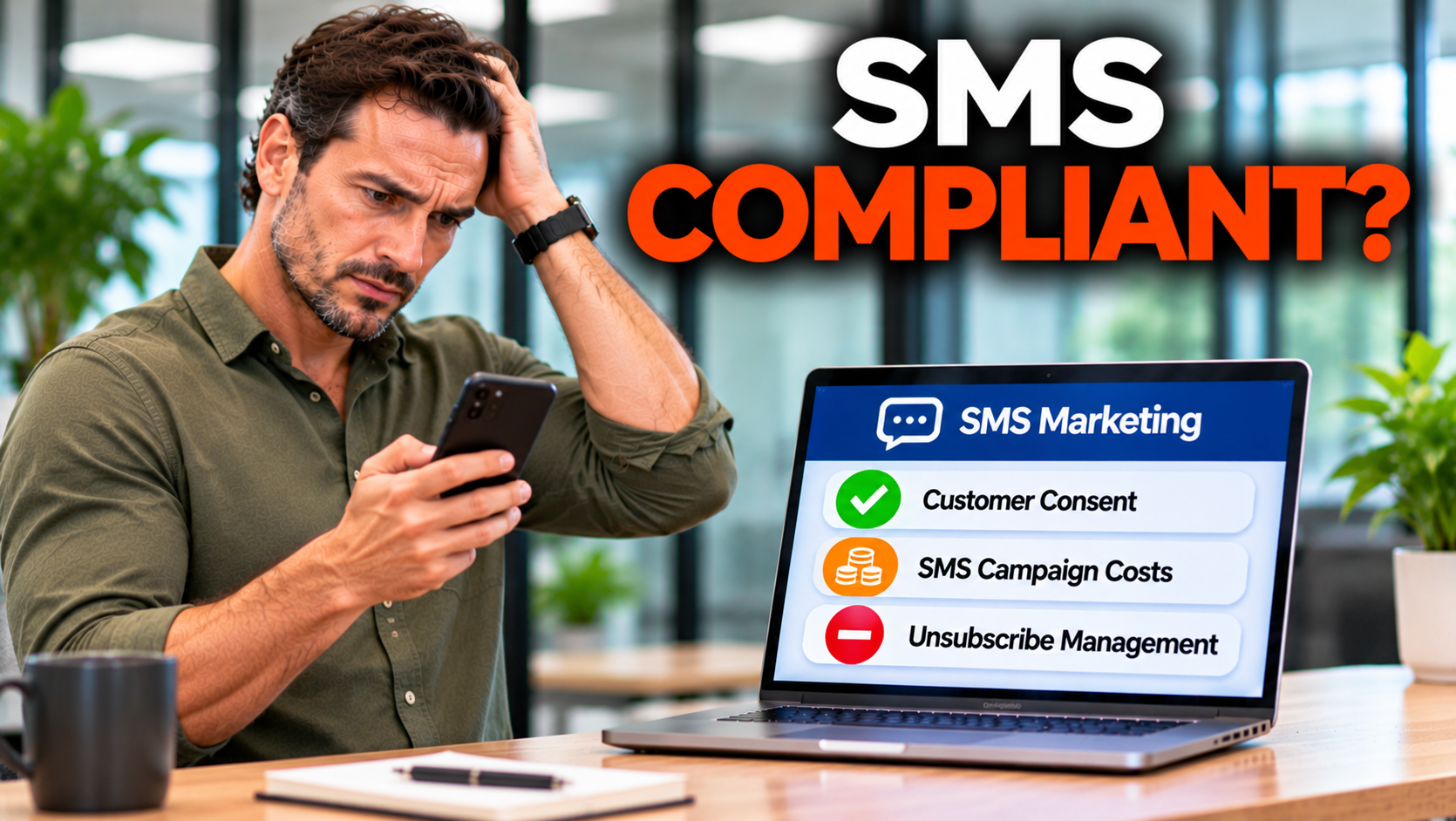
A text message is the most direct line to a customer you have. It lands on the device they carry everywhere, and vendors say most texts are read within minutes. That makes SMS powerful for reminders, offers, and follow ups, and it is why Australian regulators watch it closely. The rules have also changed this year, with a mandatory sender registration that many overseas guides never mention. I am Jarryd Holmes from Bolder Digital, and full disclosure, we set up SMS and marketing automation for clients, so I have a stake. Here is the practical guide to SMS marketing in Australia: the rules, what it really costs, and how to do it well.
Why SMS Works for Small Business
SMS suits the things small businesses do all day: appointment reminders, booking confirmations, quote follow ups, review requests, and the occasional offer to past customers. It needs no app, no login, and no algorithm. A short text from a business someone knows and trusts feels personal. The same qualities make it easy to misuse, which is why the law is strict.
The Rules: The Spam Act Applies to SMS
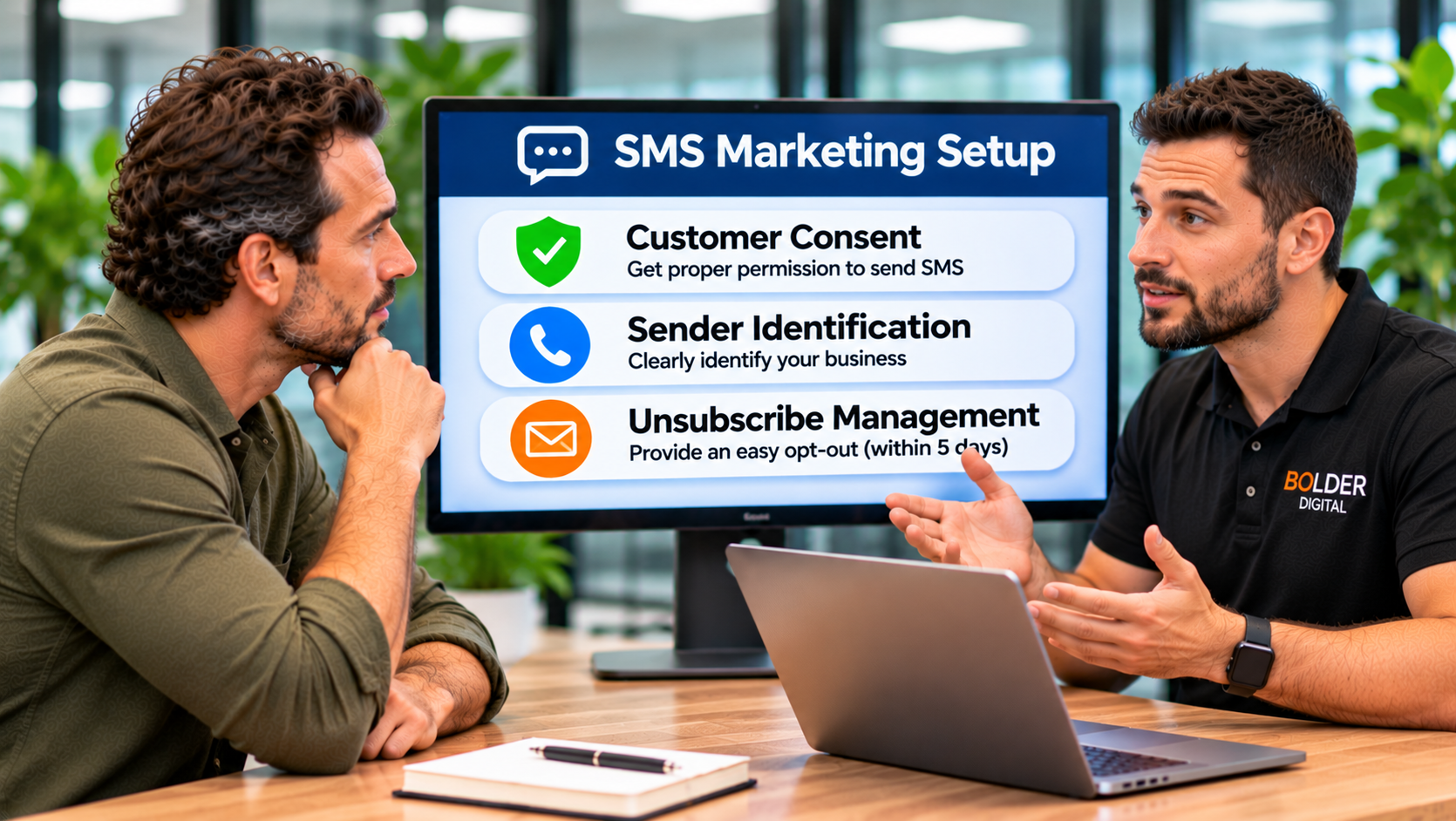
Australia’s Spam Act 2003 covers commercial electronic messages, including SMS and MMS, as well as email and instant messages. Three rules apply to every commercial text.
Consent. You need express or inferred consent before sending. ACMA recommends express consent, such as a ticked box, a form, or agreement in person. Inferred consent from a relationship is less reliable, and a one off purchase generally does not create it. You carry the burden of proving consent.
Identify yourself. The message must clearly say who sent it, with accurate contact details.
Unsubscribe. Every commercial message needs a working opt out, free and simple, honoured within five business days.
What Is Different About SMS
Every text needs to fit all three requirements, in a very small space. Your business name and an opt out, such as “Reply STOP to opt out”, leave less room for your message.
Opt out must be easy. Do not make people log in, call, or give personal details. ACMA’s enforcement against Telstra involved more than 10 million non compliant texts over 21 months, many of which required people to provide personal information to unsubscribe. Telstra self reported and received a A$626,000 infringement notice.
Opt outs must apply across the board. In ACMA’s action against Tabcorp, which has paid more than A$2.7 million in penalties in the latest case, customers who had withdrawn consent for one channel but not opted out of all marketing were still messaged. Make sure an opt out stops texts from every tool you use.
Do Not Call does not cover texts. The Do Not Call Register applies to telemarketing calls. Marketing texts fall under the Spam Act.
Marketing or Transactional?
A message that is purely about an existing booking, such as a reminder or confirmation, is generally treated as transactional, not marketing. Add a promotion to it, and it can become a commercial message, so keep reminders clean. When in doubt, treat a message as commercial.
The Sender ID Register: New in 2026
Since 1 July 2026, businesses sending texts with an alphanumeric sender ID, a brand name such as “JoesPizza” instead of a mobile number, must register that name on ACMA’s SMS Sender ID Register. It exists to stop scammers impersonating brands. Texts sent with an unregistered alphanumeric ID are shown to recipients as “Unverified”, and grouped together in one thread, which people are likely to treat as scams.
What it means in practice:
If you use a branded sender name, it must be registered through your messaging provider, with proof that you own or are authorised to use it.
If you send from a mobile or virtual number, the register does not apply to you.
Alphanumeric IDs cannot receive replies. If you want customers to text back, including to opt out, you need a number or a link.
Ask your provider which sender type you use, and whether it is registered.
What SMS Marketing Costs in Australia
SMS is cheap per message, but the cost depends on the provider, volume, and sender type. Provider comparisons in 2026 show roughly:
About 2.5 to 16 cents per message across Australian providers, at published rates and excluding GST.
Typical small business rates of around 5 to 8 cents per message. For example, ClickSend lists about 7.2 cents at entry level, and Twilio’s Australian rate of US$0.0515 per segment works out to roughly 7.3 cents.
Monthly plans, such as Sinch’s MessageMedia from A$45 a month for 570 messages.
A dedicated number for replies, at around A$10 to A$20 a month.
GST is usually added on top.
How Messages Are Counted
Providers bill per segment. A standard text of up to 160 characters is one segment, and longer messages become several. Using emojis or special characters can shrink a segment to around 70 characters. Short messages cost less, so write tight.
A Worked Example
A small business with 600 consenting contacts sends two campaigns a month, which is 1,200 messages, plus about 400 reminders and confirmations. That is 1,600 messages. At around 6.7 to 7.3 cents each, that comes to about A$107 to A$116, plus a number at A$11 to A$19. The total is around A$125 a month excluding GST. Your costs will vary, so check current rates.
If you use an all in one platform such as GoHighLevel, texts are billed through its own phone system at its own rates. Our guide to GHL Australia pricing shows what to expect.
Building Your List the Right Way
Ask at the moment of booking or purchase, with a clear tick box saying what they will receive and how often.
Use a keyword sign up, such as “Text JOIN to this number”, where the person chooses.
Collect consent in store, and note when and how.
Keep records: the date, source, and wording of every opt in.
Never buy a list, and do not upload everyone in your phone contacts.
Honour opt outs immediately, and across every system.
Writing Texts That Work
Say who you are first. “Hi Jess, it’s Sam at Smith Plumbing.”
One message, one purpose, one action. A booking link, a reply, or a call.
Keep it short and human. Write the way you would talk.
Offer value. A useful reminder, a seasonal tip, or a genuine offer, not constant sales.
Include an opt out on every marketing message.
Use a short, clear link, and make sure it works on a phone.
Be careful with frequency. A few messages a month is plenty for most businesses.
Timing
Send in sensible hours, in your customers’ time zone. Mid morning to early evening on weekdays suits most businesses, and avoid very early, late, and public holiday messages unless it is a genuine reminder.
Sample Messages
Reminder: “Hi Tom, a reminder that your appointment is tomorrow at 10am at 12 Main Street. Reply YES to confirm, or call us to change it.”
Quote follow up: “Hi Jess, just checking you received the quote for the deck. Happy to answer any questions. Sam, Smith Plumbing.”
Review request: “Thanks for choosing Smith Plumbing, Jess. If you were happy with the job, a quick Google review would mean a lot: [link]. Reply STOP to opt out.”
Seasonal offer: “Hi Anna, winter is coming. Book your heater service this month and get 10% off. Book here: [link]. Reply STOP to opt out. Smith Heating.”
Two Way Texting
Texting works best as a conversation. Use a number that can receive replies, and make sure a person, or an approved AI assistant, reads and answers them quickly. A reply that sits unanswered for days is worse than no text at all. Our guide to marketing automation for small business covers how to set up replies, reminders, and follow ups.
What to Measure
delivery rate
replies and clicks
bookings or sales from each message
opt outs, as a health check
cost per booking, not just cost per message
Common Mistakes
sending without clear consent
no opt out, or one that does not work across your tools
asking for personal details to unsubscribe
using an unregistered branded sender ID
mixing promotions into reminders
long messages that become several segments
texting too often, or at the wrong hours
ignoring replies
buying or importing lists
A Quick Compliance Check
Can you show consent for every number you text?
Does every marketing text say who you are?
Does it include an easy opt out that works?
Do opt outs stop texts from every tool?
If you use a branded sender name, is it registered?
Are your reminders free of promotions?
Can customers reply, and does someone read the replies?
How Bolder Digital Helps
At Bolder Digital, we set up SMS inside your GoHighLevel account, with consent capture, opt outs that apply across your tools, correct sender setup, reminders, follow ups, and review requests. We keep messages short, human, and compliant, and we watch the results with you. You can read about our GoHighLevel services, and our companion guide to email marketing and the Spam Act.
The Bottom Line
SMS marketing in Australia is cheap, fast, and effective, as long as you play by the rules. Get consent, say who you are, make opting out easy and make it work everywhere, and check your sender ID is registered. Write short, useful messages, send them at sensible times, and answer the replies. Done properly, it is one of the best ways to keep customers close.

Frequently Asked Questions
Is SMS marketing legal in Australia?
Yes, with consent, clear sender identification, and a working opt out in every commercial message, as required by the Spam Act. The law applies to businesses of every size.
Do I need to register my SMS sender ID?
If you send from an alphanumeric sender ID, a brand name instead of a number, yes. Since 1 July 2026, unregistered branded IDs are shown to recipients as “Unverified”. Sending from a mobile or virtual number does not need registration.
How much does SMS marketing cost in Australia?
Typically about 5 to 8 cents per message, excluding GST, with a range from under 3 cents to over 15 cents depending on provider and volume. A dedicated number costs about A$10 to A$20 a month.
Does the Do Not Call Register cover text messages?
No. It covers telemarketing calls. Marketing texts are governed by the Spam Act.
Can I include an opt out in a few words?
Yes. A short line such as “Reply STOP to opt out” works, as long as it is free, simple, and honoured within five business days.
Jarryd Holmes, Founder & Owner, Bolder Digital | Prospect Vale, Tasmania | bolderdigital.com.au